I’ve been making no-cook fruit syrups ever since I picked up a masticating juicer. It makes a huge difference – my peach syrup tastes like fresh peaches instead of jam/pie. I imagine there are some cases where cooking will lead to a more desirable flavor, but I default to heatless techniques now.
1 Like
Oh believe me I concur, this was merely an experiment to see if/how it could be done. The flavor and texture of raspberry syrup adds a lot to the personality of the Clover Club but I see the Crème de Framboise option as a lighter, shelf-stable alternative.
Muddled fresh raspberries are also fantastic in the Clover Club and with the addition of simple syrup you’re essentially getting raspberry syrup a la minute. I also agree with @jesse in that cold raspberry syrup is much brighter than cooked. A personal rule of thumb, cold raspberries/muddle when you have good, in season berries and cook the rest of the year.
I made two batches of raspberry syrup, one Armin’s hot process, and one Garret Richard’s cold process (Tropical Standard), using frozen raspberries divided up from the same bag.
There is a difference in color and flavor:
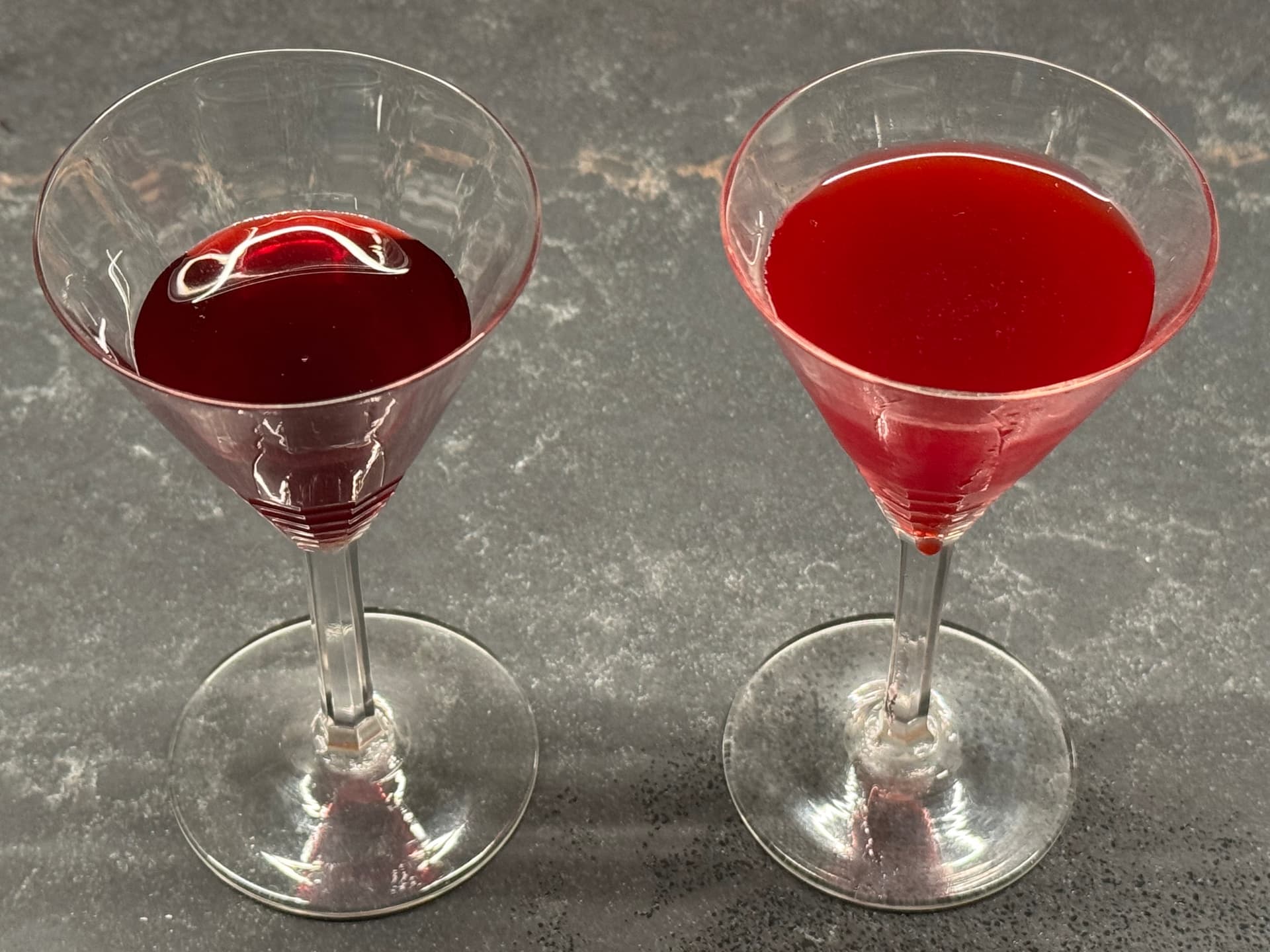
The hot process is on the left: it’s darker colored, clearer, and it tastes like raspberry jam.
The cold process is on the right: it’s lighter/brighter colored, hazier (could be controlled for), and it tastes like sweetened raspberry juice (no jammy-ness).
I then carefully made two identically bad Clover Clubs. They look sad because I am not a good bartender. Yes, there is egg white in there, but I deflated the foam through incompetence. The drinks are quite identical, except for the different syrups. (Those are all facts.) They are bad drinks because the Clover Club is a bad drink. (That is my opinion.)
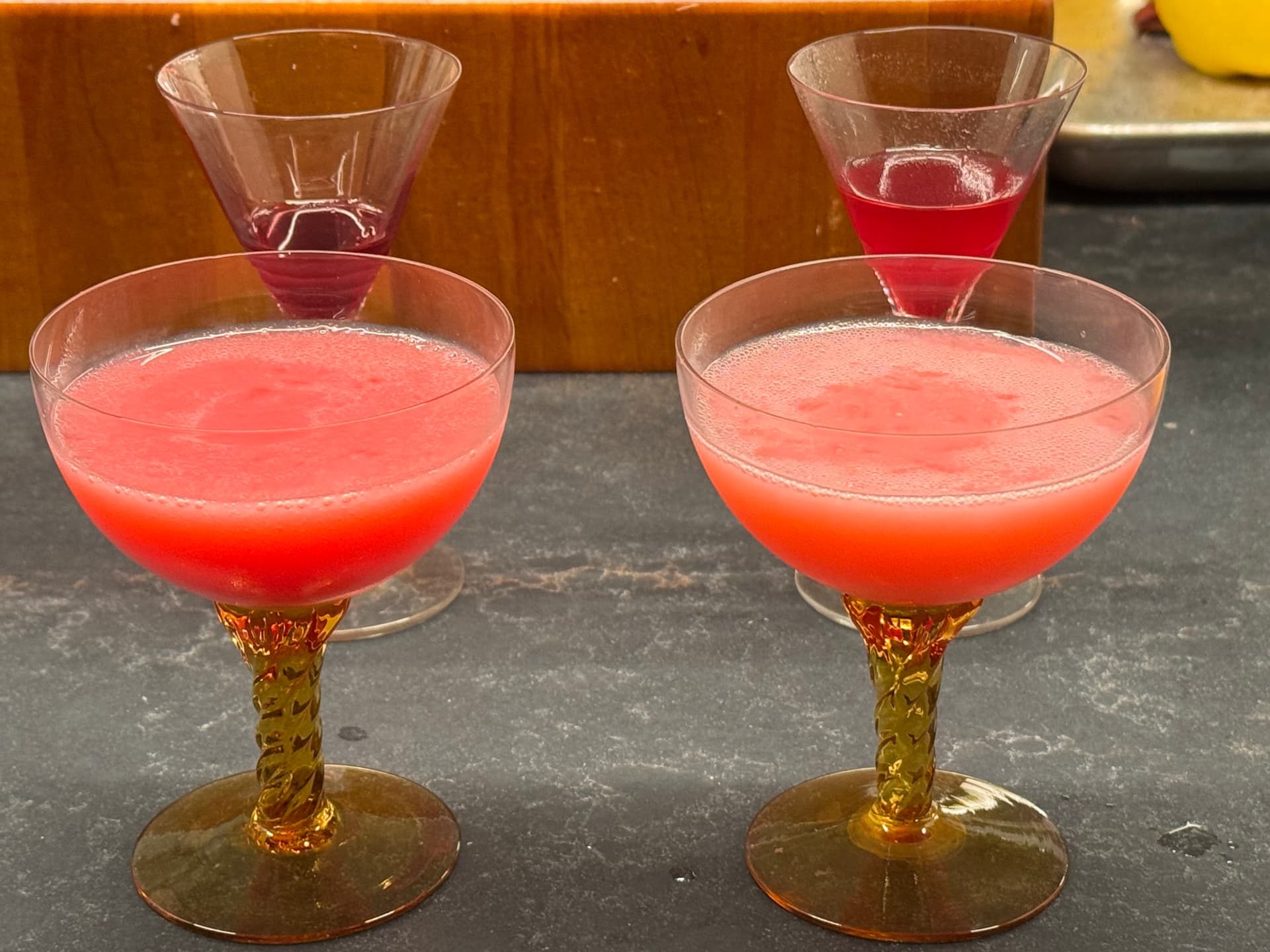
Yes, the difference in color between the syrups comes through in the resulting drinks, but it is not a dramatic difference.
Yes, the difference in flavor between the syrups comes through in the resulting drinks, but it is subtle and of debatable importance. A punter will not care. A mixologist with high standards probably will.
My primary takeaway: the difference between hot process and cold process raspberry syrup is far smaller compared to the difference between cooked grenadine and fresh grenadine.
I will test again, soon, with a drink I actually like.
Additional notes:
- the hot process is faster, but felt like slightly more work; this is the way to go if you need raspberry syrup now
- the cold process is slow (overnight), but felt slightly easier
- neither are particularly aromatic, but the hot process syrup seems slightly more aromatic than the cold process
5 Likes
Swap sloe gin for the London Dry and you have Duffy’s “Love Cocktail.” Made it recently—with hot-process raspberry syrup—and it’s like drinking raspberry sorbet. Recommended.
1 Like
Many thanks for the taste test. I’m not surprised to hear that the type of raspberry syrup doesn’t make that much of a difference in a drink with only .5oz/15ml. I wonder how Anders Erickson’s (the guy who pointed out the Hotel Bellevue issue that started this endeavor) recipe would hold up in a taste test?
Out of curiosity, @martin I wanna hear why you think the Clover Club is a bad drink? I’m not much of a fan of the drink myself. It’s… fine. A tactical way to introduce the wary to gin cocktails, but it doesn’t thrill me so don’t hold back.
Erickson’s recipe for the adventurous:
4-6 raspberries
.5oz/15ml semi-rich simple syrup (1.5:1)
1oz/30ml Plymouth Gin
1oz/30ml Dolin Blanc Vermouth de Chambéry
.75oz/22.5ml fresh lemon juice
1 small egg white
Expressed lemon oil and raspberry for garnish
1 Like
I think it tastes nasty, and I don’t think it matters whether there’s vermouth or not. (The one I just made had no vermouth, but I don’t even care for the ones Julie Reiner carefully makes.) My best guess is that it’s something related to the total proportion of gin, and maybe some sort of interaction (interference/masking?) between the gin and the lemon juice (and/or the raspberry syrup, although at this point, I find other gin sours like the Aviation similarly kind of nasty, so I suspect the raspberry syrup is irrelevant). Note: I spent the summery happily drinking Collinses made variously with dry gin, old tom, and genever, so I do not have any absolute problem with gin and citrus juice. 
1 Like
As the one who first dug up the Cliver Club recipe with vermouth and passed it on to Julie, I just want to go on record as stating that I think it’s a great recipe and that the ones that Julie and her crew turn out are divine. “There’s no accounting for taste,” I hear Martin muttering—or maybe that’s me.
6 Likes
I made another one, today, just to be sure. This time with dry vermouth and Julie’s proportions, although I am using the more assertive Tanqueray and Cocchi Dry rather than Plymouth and Dolin. I think this is significantly better than the non-vermouth recipe. Even still, I will never love this drink. It’s not for me.
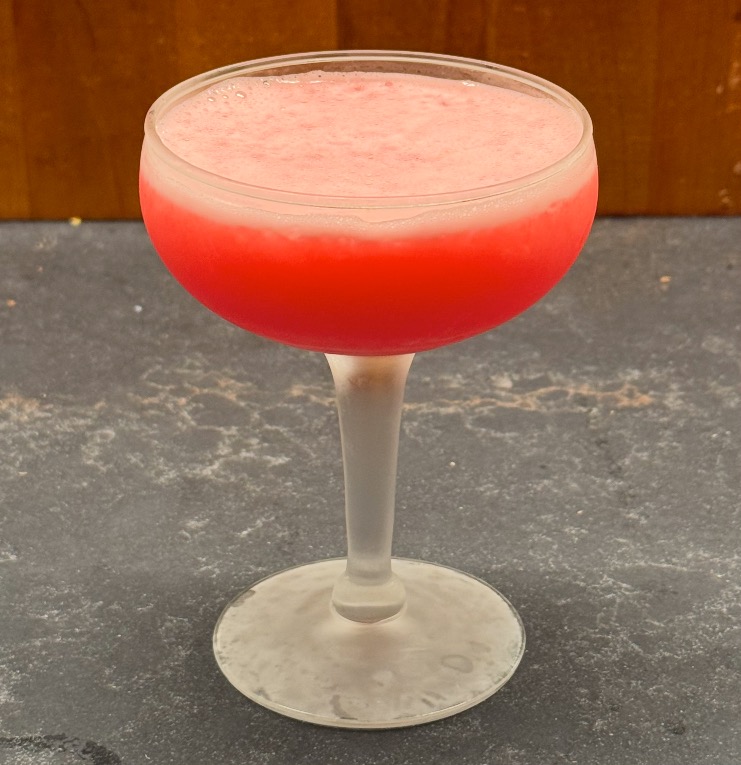
That homemade raspberry syrup does supply a great color, though!
2 Likes
I know Julie Reiner in her recipe for raspberry syrup calls out the a cold-type method to avoid a cooked “pie filling” taste of the final product, keeping the fresh fruit flavor front and center.
At home, if I have raspberries and don’t want to hassle with making syrup (which I never use up…), I just take 3-4 berries and muddle with 1/2 oz. simple syrup and double strain when pouring to get rid of seeds and pulp— works great!
3 Likes
Hi @Splificator
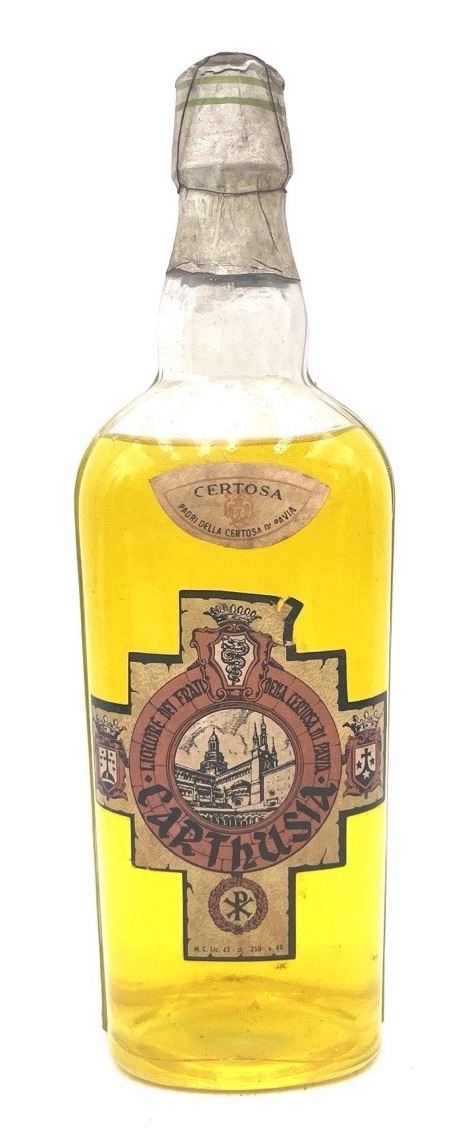
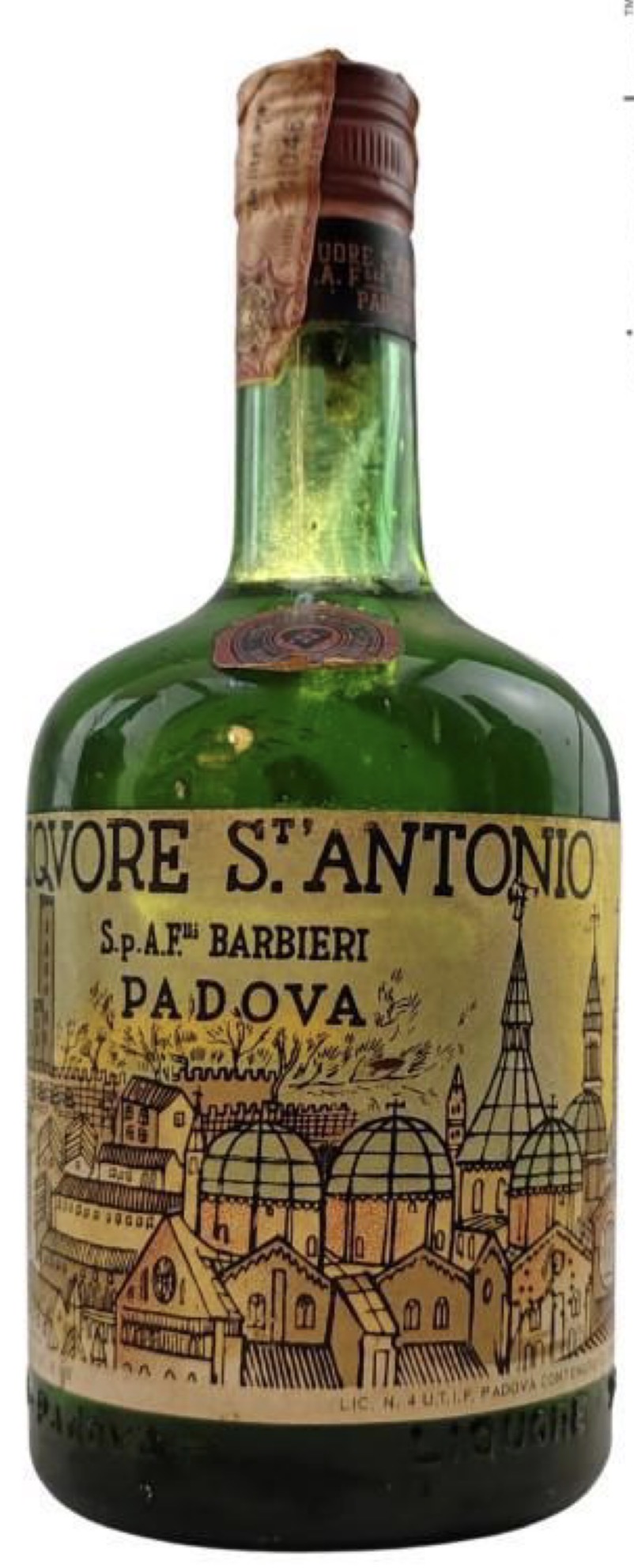
“Italian Chartreuse” could be this product
4 Likes
I also favor the masticating juicer for cold process now.
I know pastry chefs would bring the prep to a simmer (not boil) to get an optimal texture behavior and favor preservation.
3 Likes
Italian Chartreuse
I have seen plenty of bottles like that on auction sites, and have bought a couple…. I always assumed that they were local imitators that didn’t have any impact on a wider cocktail culture. But given the text of the recipe, it seems more plausible you’re right. (It took me a while to realize that Certosa is not serving as a translation of “charter house.”)
Incidentally, I have to assume that the Luxardo Del Santo, which seems to be selling well as an Italian Chartreuse substitute, has its roots in the St Antonio liqueur, which was bought by Luxardo after originally being produced by Barbieri.
5 Likes
Never tasted Luxardeo Del Santo (or St Antonio), thank you for this info
1 Like
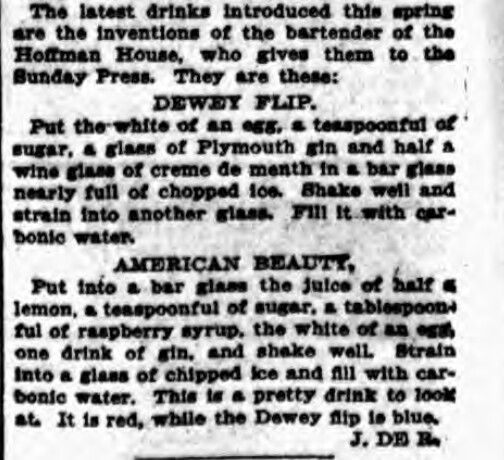
This 1899 recipe [American Beauty] has the same base ingredients as the Clover Club + soda water.
What is curious about it, is the fact it was published almost 2 years before the Clover Club recipe from Michael Killackey, in the same column and newspaper…
3 Likes
Wow! How weird. (found citation) That Dewey Flip actually sounds kind of good.
2 Likes
Indeed!
The info of the citation was on the picture file name, I should have written it directly.
Source : The New York Press 1899, June 4th.
These recipes are said to be provided by the bartender of the Hoffman House - probably not
Charles Mahoney (already Chief Bartender) as he doesn’t mention these recipes in his books (no Dewey Flip, and totally different American Beauty).
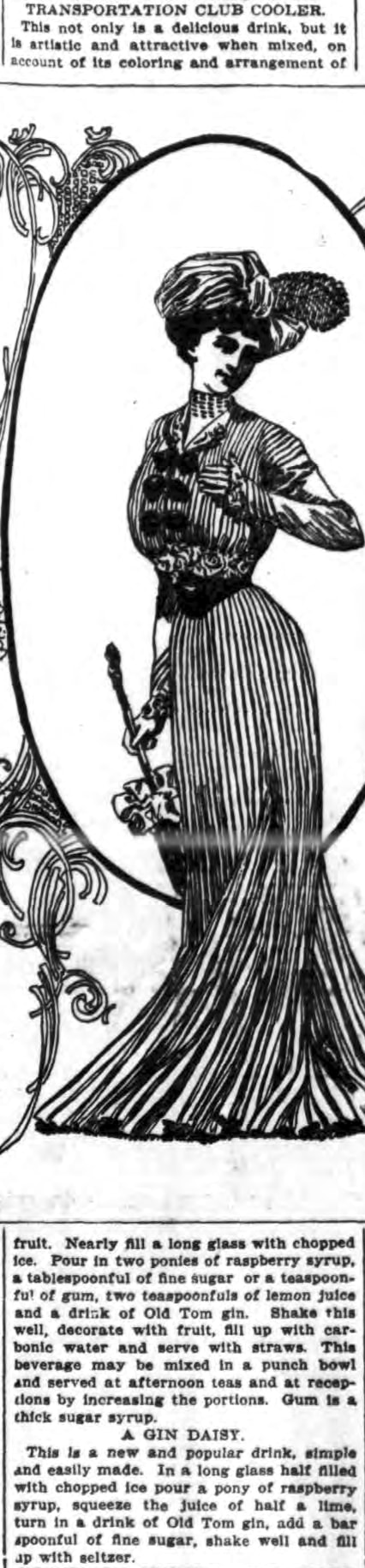
The following year on June 24th 1900 (one year before the first Clover Club recipe), again in the same newspaper, same column) we find this time, recipes given by Harry Relley, bartender of the Café of the Hotel Manhattan.
-
“Transportation Club Cooler” wich is the previous American Beauty, without the egg white.
-
Gin Daisy with gin + raspberry syrup + lime juice + sugar + soda water (if compared to the previous American Beauty : lime juice instead of lemon, and no egg white).
This convergence of ingredients, makes me think, the 1901 recipe found by @Splificator might be the earliest one.
4 Likes
There are so many clearly unrelated “American Beauty” recipes. I presume it was a lazy go-to name for a novel mixed drink due to the popularity/notoriety of the hybrid rose of the same name? Wikipedia says it was brought to market in 1888 and was “the best selling cultivar in the United States until the 1920s” despite being ferociously expensive (the equivalent of $70/stem in 1888).
2 Likes