This is a bit tedious, as “livestreams” tend to be, but there’s some interesting art-based analysis of citrus history here.
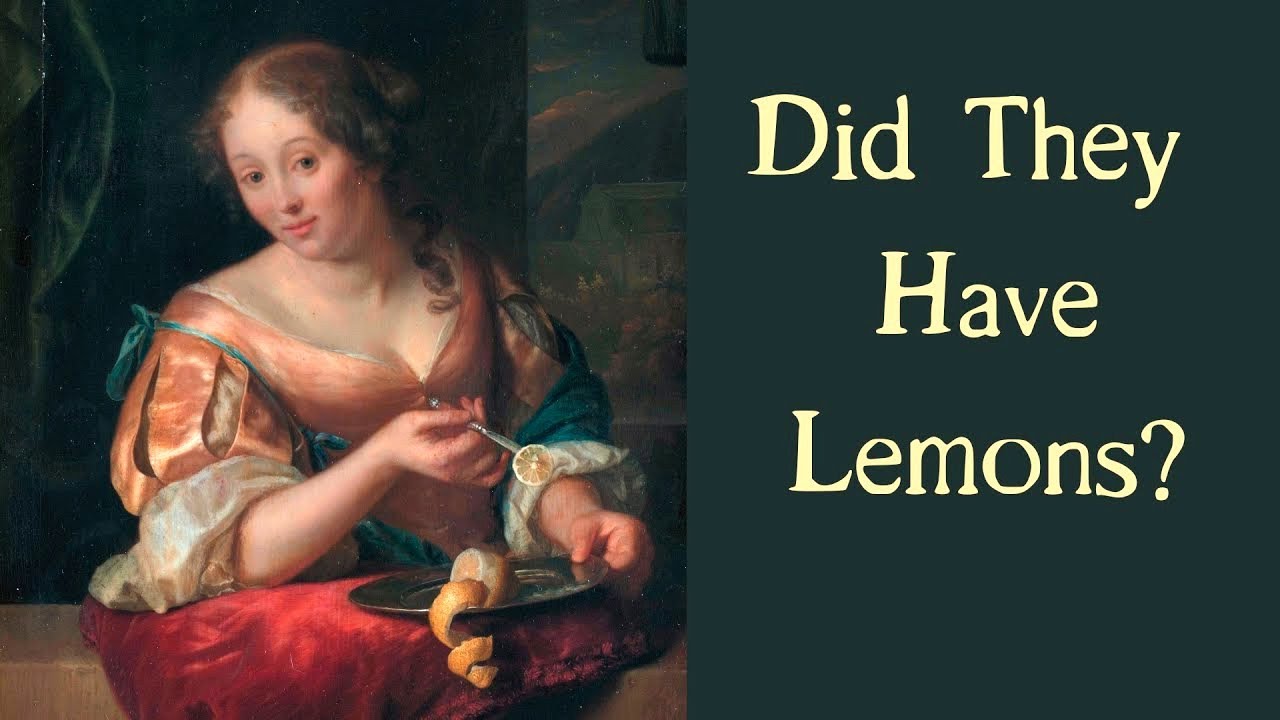
This is a bit tedious, as “livestreams” tend to be, but there’s some interesting art-based analysis of citrus history here.
Thank you for sharing, @martin . I am currently researching the history of citrus fruits and the importance of their terroir, as well as investigating the associated effects on recipes (there are differences between American and English recipes on the one hand and French and German recipes on the other). Perhaps I will find a few more interesting aspects in the video that I have overlooked so far.
I think the gist is that the art history goes a long ways to destroying the hypothesis that citrus was necessarily smaller or pithier than today’s. However, it also highlights that we’re missing out on a dazzling array of varieties in today’s monoculture, and those did vary size and morphology.
I would like to disagree with the statement made in the livestream about the size of ‘lemons’. One can only come to such a conclusion if one has not fully understood the diversity of citrus fruits and the differences between lemons, limes, citrons, lumias, etc. Real lemons used to be smaller than they are today. Old books and analyses prove this. Or if they were larger and referred to as lemons, they were not lemons in the botanical sense. This confusion already existed in the 17th century, when the genetics of citrus fruits were even less understood than they are today.
I wanted to share with you the measurements for the juice yield of lemons from 1883 in Riverside, California.
- Imported lemons: Messina 46.66 g, Palermo 22.36 g, Malaga 27.22 g.
- Californian lemons: Lisbon 39.35 g, Eureka 36.28 g, Sweet Rind 39.35 g.
The standard amount of Californian lemons would have been lower, as it was noted: “The Sweet Rinds and most of the Seedlings, with an occasional Lisbon and Eureka, were above the standard size and weight.” [1-83]
It is also important to note that the USA mainly had Sicilian lemons; Californian lemons did not yet play a role. It was not until 1900 at the earliest that Californian lemons became increasingly marketable, so that by 1907 California was producing between one third and two fifths of the United States’ lemon requirements. By 1929, this figure had risen to 95%. [2-343] [22-907]
Sources:
[1] https://archive.org/details/orangeitsculture00spalrich/page/80/mode/2up?q=%22genoa+lemon%22 W. M. Spalding: The orange: its culture in California. With a brief discussion of the lemon, lime, and other citrus fruits. Riverside, 1885.
[2] https://archive.org/details/unitedstatescon543offigoog/page/846/mode/2up?q=%22standard+lemon+box%22 Yearbook of the United States Department of Agriculture, Washington 1908.
[3] https://archive.org/details/in.ernet.dli.2015.211451/page/n997/mode/2up The Encyclopaedia Britannica Vol.xiii. 14. edition, 1929,1932
More:
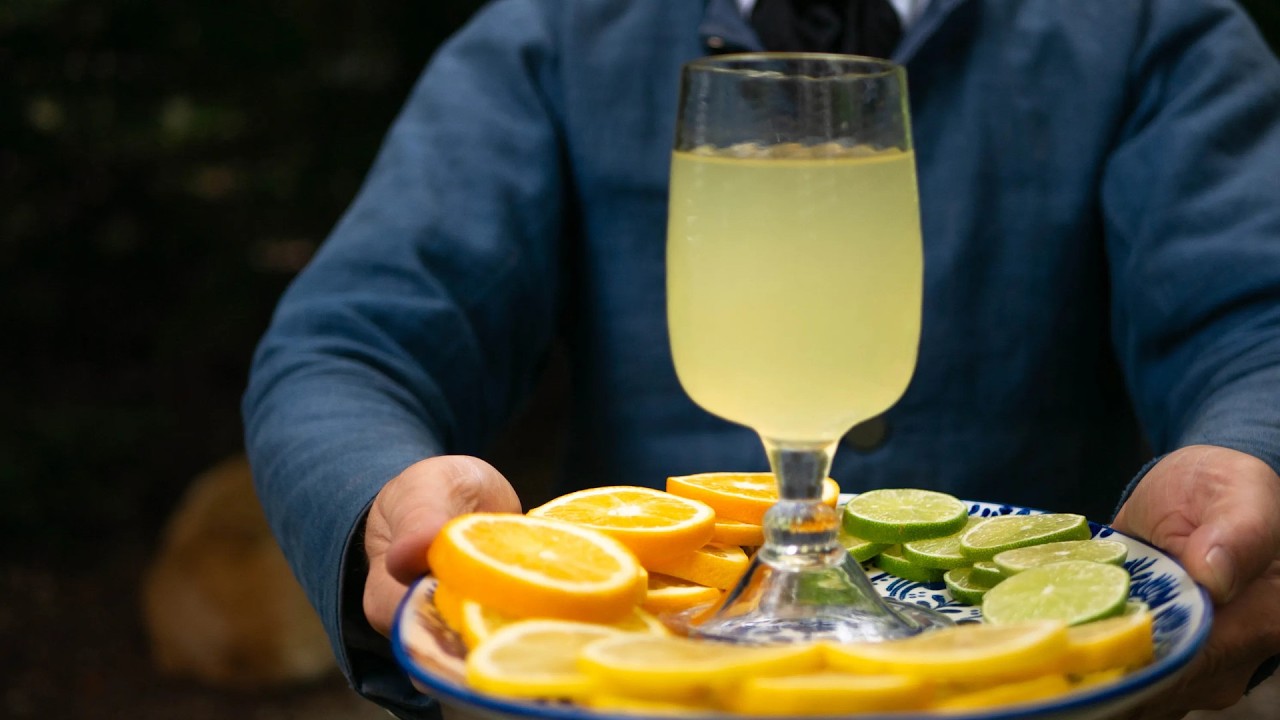
That is a fuckton of orange flower water!
Great. Now I need a new Fuckton jigger.
A true professional is someone who always has the proper equipment for the task.